
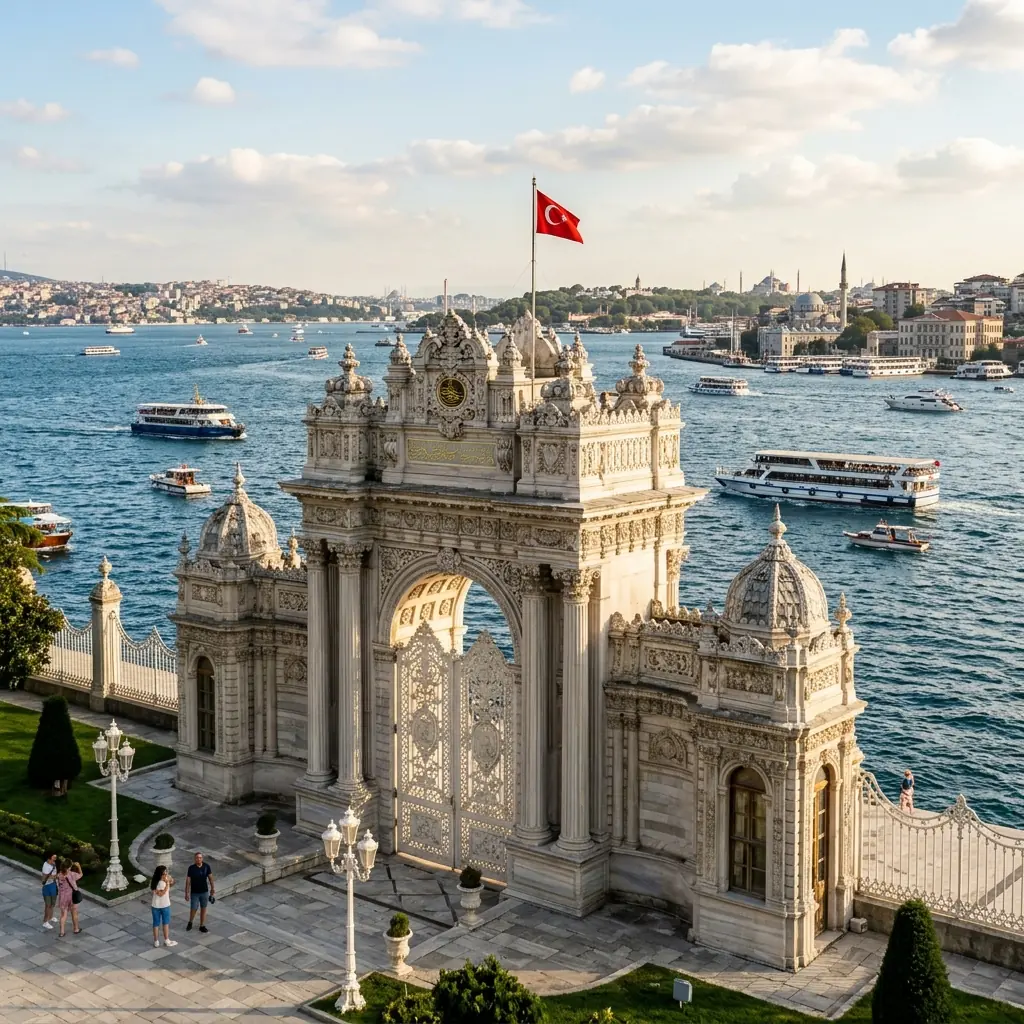
What to Wear in Istanbul: A Woman's Dress Code Guide
Elif Kaya
Safety & Travel Advisor
Is There a Dress Code in Istanbul?
On the street, no. Istanbul is a cosmopolitan city of sixteen million people, and in Beyoğlu, Nişantaşı, Beşiktaş or Kadıköy you will see exactly what you would see in Rome or Madrid — jeans, dresses, shorts in summer, sleeveless tops, whatever you like. Turkey is a secular republic and Istanbul is its most liberal city; nobody is checking what visitors wear. The question of what to wear in Istanbul as a woman really comes down to three specific situations: inside mosques, in the more conservative neighborhoods, and at the hamam. Everything else is ordinary city packing.
The One Real Rule: Mosque Dress Code
Mosques are working places of worship, and the rules there are genuine rather than advisory. Women need shoulders and knees covered and hair covered with a headscarf; men need knees covered too, so no short shorts. Everyone removes their shoes at the door and carries them in the plastic bags provided. The major visitor mosques — the Blue Mosque, the Hagia Sophia, the Süleymaniye — keep scarves and wraps at the entrance to lend, so an unplanned visit is never a problem. Still, the single most useful thing in your day bag in Istanbul is a light scarf: it covers your head in a mosque, your shoulders in the sun, and your neck when the wind comes off the Bosphorus.
Mosques close to visitors during the five daily prayers and for longer around midday on Friday, so check the times before you dress for a day of sightseeing.
What to Wear by Neighborhood
Istanbul's districts differ more than most visitors expect, and matching the neighborhood is simply good manners rather than obligation.
- Beyoğlu, Galata, Karaköy, Nişantaşı, Beşiktaş, Kadıköy: anything goes. These are the fashion, nightlife and cafe districts, and dressing up is normal.
- Sultanahmet and the historic peninsula: tourist-friendly, but you are surrounded by mosques all day. Something you can enter a mosque in — or a scarf in your bag — saves constant changing.
- Fatih, Eyüp, Üsküdar and the conservative quarters: more residential and religious. Covering shoulders and knees here draws far less attention and is simply the more comfortable choice.
- Bosphorus villages and beach clubs: resort dressing, exactly as you would expect.
What to Pack by Season
Istanbul's weather is more extreme than the Mediterranean postcard suggests. Summer is hot and humid, with long days of walking on stone — breathable natural fabrics, a hat, and shoes you can walk five miles in matter far more than style. Winter is cold, wet and windy rather than reliably snowy, and the wind off the water cuts through a thin coat; waterproof shoes are not optional, because the hills of Beyoğlu turn into streams in a downpour. Spring and autumn are the best travel seasons and the most changeable: layers, plus a packable rain jacket.
The one item every guide underrates: proper footwear. Istanbul is built on seven steep hills paved in worn cobblestones, and heels are genuinely impractical almost everywhere outside a hotel lobby.
Hamam, Beach and Rooftop Restaurants
Three situations that catch visitors out. At a hamam, you are given a peştemal wrap and, in the historic baths, the sections are separated by gender or by session — most women wear bikini bottoms underneath and nothing else is expected. At the beach, swimwear is completely normal at private beach clubs and resorts along the Black Sea and the Marmara, while municipal public beaches are more mixed and more conservative. At a rooftop restaurant or fine-dining venue, Istanbul dresses up — smart-casual at minimum, and some clubs enforce a dress code at the door.
During Ramadan nothing is forbidden and no visitor is expected to fast, but dressing a little more modestly around mosques and in religious neighborhoods, and not eating or drinking conspicuously in the street during daylight, is appreciated.
Does What You Wear Affect Your Safety?
Less than the internet suggests. Istanbul is a safe city for women, and covering up is not a security measure — catcalling and pushy shopkeepers happen regardless of clothing, and a firm 'no, thank you' with a confident walk away handles almost all of it. If you want the fuller picture, we cover the real risks and neighborhood choices in our guide to whether Istanbul is safe for solo female travelers.
The one situation genuinely worth planning around is transport late at night. If you use city cabs, hail them through an app so the driver and route are logged — our guide to Istanbul taxi apps explains how BiTaksi and Uber work in Turkey.
Arriving and Getting Around
Pack for the walk from the terminal too. Both airports involve long distances on foot, and the drive into the city takes an hour or more, so travel in something comfortable and keep the scarf and jacket in your cabin bag rather than the hold. If you would rather not begin the trip negotiating a fare, our fixed-price transfers meet you inside arrivals with a name sign: Istanbul Airport to Karaköy from €45 for the Galata boutique hotels, or Sabiha Gökçen to Kadıköy from €45 on the Asian side. Tolls, taxes and luggage are included, and your flight is tracked, so a late landing costs nothing extra.
Frequently asked questions
What should a woman wear in Istanbul?
Whatever you would wear in any large European city — there is no street dress code, and in Beyoğlu, Nişantaşı or Kadıköy you will see jeans, dresses and summer shorts everywhere. The exceptions are mosques, where shoulders, knees and hair must be covered, and the more conservative neighborhoods, where covering shoulders and knees simply draws less attention.
Do I have to wear a headscarf in Istanbul?
Only inside mosques. On the street, in restaurants, in shops and in museums no head covering is expected of visitors. The major visitor mosques lend scarves at the entrance, though carrying a light one of your own is easier.
Can I wear shorts or a sleeveless top in Istanbul?
Yes, throughout the modern districts and all summer long. Bring something to cover shoulders and knees if you plan to enter a mosque that day, and expect to feel more comfortable covered up in religious quarters like Fatih or Eyüp.
What is the dress code inside mosques in Istanbul?
Women cover shoulders, knees and hair; men cover their knees. Everyone removes their shoes at the entrance and carries them in the bags provided. Mosques close to visitors during the five daily prayers and for longer around midday on Friday.
What should I pack for Istanbul in winter?
A genuinely warm, wind-resistant coat and waterproof shoes. Istanbul winters are cold, wet and windy rather than reliably snowy, and the hills of Beyoğlu turn into streams in heavy rain, so grip and waterproofing matter more than warmth alone.
What do you wear to a Turkish hamam?
You are given a peştemal wrap at the door, and most women wear bikini bottoms underneath. Historic baths separate men and women by section or by session, and nothing more is expected of you than the wrap.
Does what I wear affect my safety in Istanbul?
Far less than the internet suggests. Catcalling and pushy shopkeepers occur regardless of clothing, and a firm no with a confident walk away handles most of it. The one thing genuinely worth planning is transport late at night — use an app-hailed or pre-booked car rather than flagging a taxi at the curb.
Ready to Explore Istanbul?
Book your VIP airport transfer today and start your journey in ultimate comfort. Fixed prices, zero stress.
Book Your VIP TransferKeep reading
All articles
Inside the Turkish Airlines Business Lounge at Istanbul Airport
8 min read
The Ultimate Guide to Istanbul Airport (IST) Duty-Free Shopping
8 min readIs the Istanbul Airport Fast Track (iGA Pass) Worth the Money?
7 min read