A Guide to the Grand Bazaar: How to Haggle Like a Pro
Zeynep Çelik
Local Expert
The World's Oldest Shopping Mall
The Grand Bazaar (Kapalıçarşı) is not just a market; it is a chaotic, vibrant, historical labyrinth consisting of 61 covered streets and over 4,000 shops. Built in the 15th century, it sells everything from intricately woven silk carpets and dazzling gold jewelry to cheap counterfeit bags and mass-produced souvenirs.
Entering the bazaar can be overwhelming. The merchants are aggressively friendly, offering tea and compliments to lure you into their shops. More importantly, in the Grand Bazaar, the price tag is merely a suggestion. If you don't haggle, you will be vastly overcharged.
The Golden Rules of Haggling
Haggling is deeply ingrained in the culture of the bazaar. It is considered a social game, not an aggressive confrontation. Here is how to haggle in the Grand Bazaar like a pro:
- Never accept the first price: The initial price quoted by a merchant is usually inflated by 30% to 50% (sometimes more if you look wealthy). Reply with an offer that is roughly 50% of their asking price.
- Be polite and accept the tea: If you are negotiating for an expensive item like a leather jacket or a carpet, the merchant will offer you apple tea. Accept it. Sit down. Talk about where you are from. Building a friendly rapport always leads to a better price.
- The 'Walk-Away' Technique: This is your strongest weapon. If the merchant refuses to meet your final price, politely say "Thank you, it is too expensive for me," and start walking out of the shop. 90% of the time, they will chase you into the hallway with a "Wait, wait, my friend, special price for you."
Cash or Card? What to Pay With
Most established shops accept Visa and Mastercard, and the carpet and gold dealers happily quote in euros or dollars. But cash in Turkish lira is your strongest haggling lever — a merchant will nearly always shave more off the price for lira notes than for a card payment carrying processing fees. If you do pay by card and the terminal offers to charge your home currency, decline and choose lira: the automatic conversion hides a costly markup. Gold is the exception to all haggling — it is sold by weight at posted daily rates.
Know Before You Go
The bazaar is open Monday to Saturday, roughly 09:00 to 19:00, and closed on Sundays and the first days of religious holidays. It sits in the Beyazıt quarter of the Fatih district: the T1 tram's Beyazıt–Kapalıçarşı stop (use an Istanbulkart) is directly outside, and fixed-price airport transfers run from €45 from Istanbul Airport and from €60 from Sabiha Gökçen (SAW).
The Logistics of Heavy Shopping
You went to the bazaar for a simple evil eye bracelet, and you walked out with three heavy ceramic plates, a mosaic lamp, and a kilim rug. It happens to everyone.
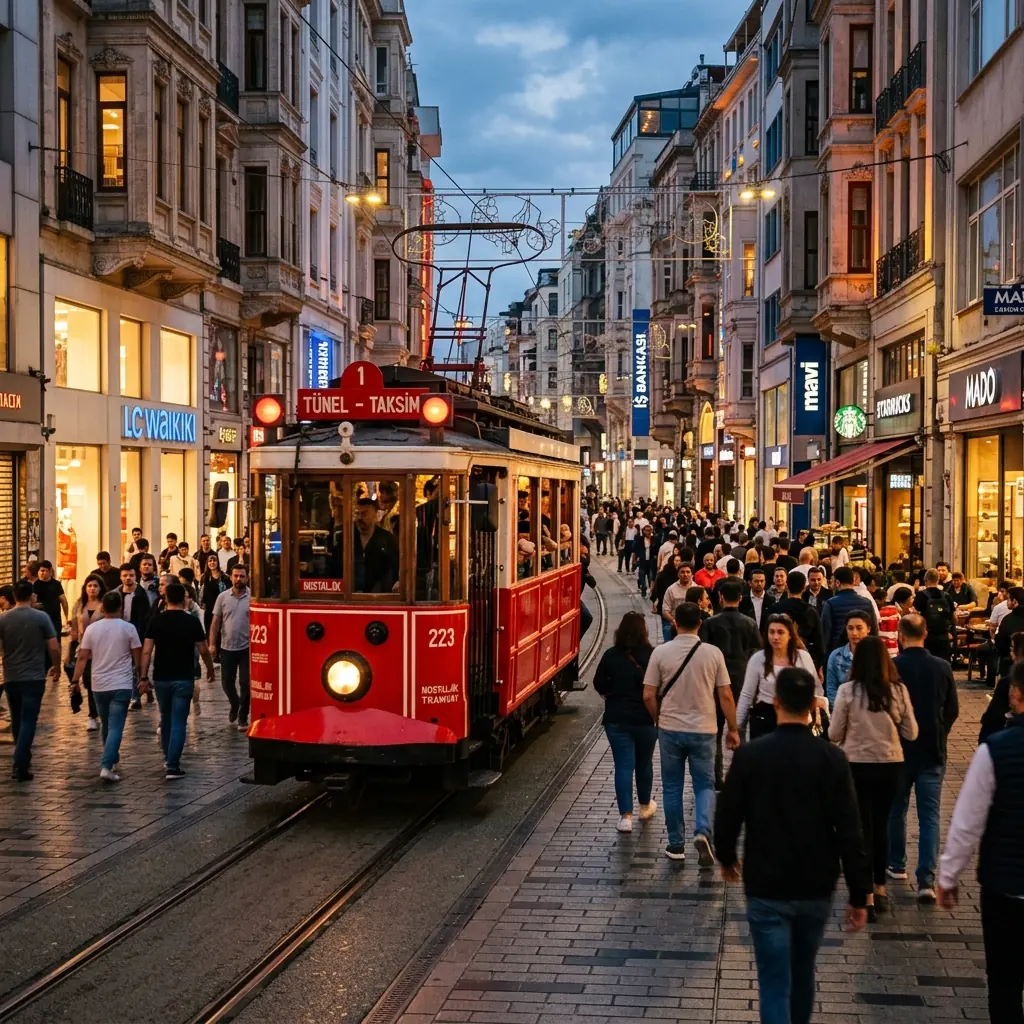
Now, you have a massive problem: Carrying those bulky, fragile items through the massive crowds to the T1 Tram station, squeezing onto a packed tram, and walking up the hill to your hotel.
Eliminate the stress entirely by using our Hourly Chauffeur Service. Your private VIP Mercedes van will be parked at a designated point near the Beyazıt gate of the bazaar. Simply walk out, hand your heavy purchases to your driver, sink into the leather seats, and head to your next destination in peace.
Frequently asked questions
How much should you haggle in the Grand Bazaar?
Counter at roughly half the first asking price and expect to meet somewhere in the middle — initial quotes to tourists run 30 to 50 percent above real value. The exception is gold, which is sold by weight at posted daily rates and is not negotiable.
Is haggling rude in Turkey?
Not in the bazaar — it is expected, and paying the first price marks you as a tourist. Treat it as a friendly social game: smile, accept the tea, chat, and never get aggressive. In fixed-price city shops and supermarkets, however, haggling is not done.
Is the Grand Bazaar open on Sunday?
No — it closes every Sunday and on the first days of the Ramazan and Kurban religious holidays. Normal hours are Monday to Saturday, roughly 09:00 to 19:00. The Spice Bazaar in Eminönü is the usual Sunday alternative.
Should I pay in lira, euros or by card in the Grand Bazaar?
Cash in Turkish lira wins the biggest discounts, and most shops also take Visa and Mastercard. If a card terminal offers to bill your home currency, always choose lira instead — the automatic conversion hides a 5 to 10 percent markup.
How do I avoid buying fakes in the Grand Bazaar?
Assume any bargain designer bag or watch is counterfeit — the genuine article is not sold from a bazaar stall. For carpets, ceramics and leather, buy from established shops that give written receipts, and remember the tea ritual: serious dealers invest time in serious buyers.
How do I get to the Grand Bazaar?
Take the T1 tram to the Beyazıt–Kapalıçarşı stop, directly outside the gates. From Istanbul Airport it is about 45 km — 50 to 70 minutes by car with fixed transfers from €45 — and from Sabiha Gökçen allow 60 to 80 minutes, from €60.
Ready to Explore Istanbul?
Book your VIP airport transfer today and start your journey in ultimate comfort. Fixed prices, zero stress.
Book Your VIP Transfer